How the Chaar horse came back: our story, year by year

Chaar Suluu, a stallion who is opening a new page of history of chaar breed today, with one of his foals
2012: A film crew, a stallion and five mares
It started with a film. In 2012 we were shooting "True Appaloosa" here in Kyrgyzstan, and by the time filming wrapped we'd bought a stallion called Chaar Suluu and five mares to go with him. Six horses. That was the whole breeding program.

Newborn TanSuluu, TanSuluu is one of our stallions who will join the breeding program this spring with a new herd formed for him. More news about him to come!
2013 to 2020: The slow years
What came next was slow, and a lot of it was hard. Every year predators took between three and six horses from the herd. In winter, when there wasn't enough feed, mares lost the foals they were carrying. I paid for everything myself, out of my own pocket and from selling whatever foals we could spare.
Eight years in, the herd was 15 horses.

First meeting with young ChaarSuluu during the shooting of the “True Appaloosa” film in 2012
2021: Going all in
By 2021 the costs had become impossible to carry, and the horses were going hungry. Something had to change, so I left my business and gave myself to the Chaar project full time. We started an accelerated breeding program, and for the first time we asked people outside Kyrgyzstan to help.
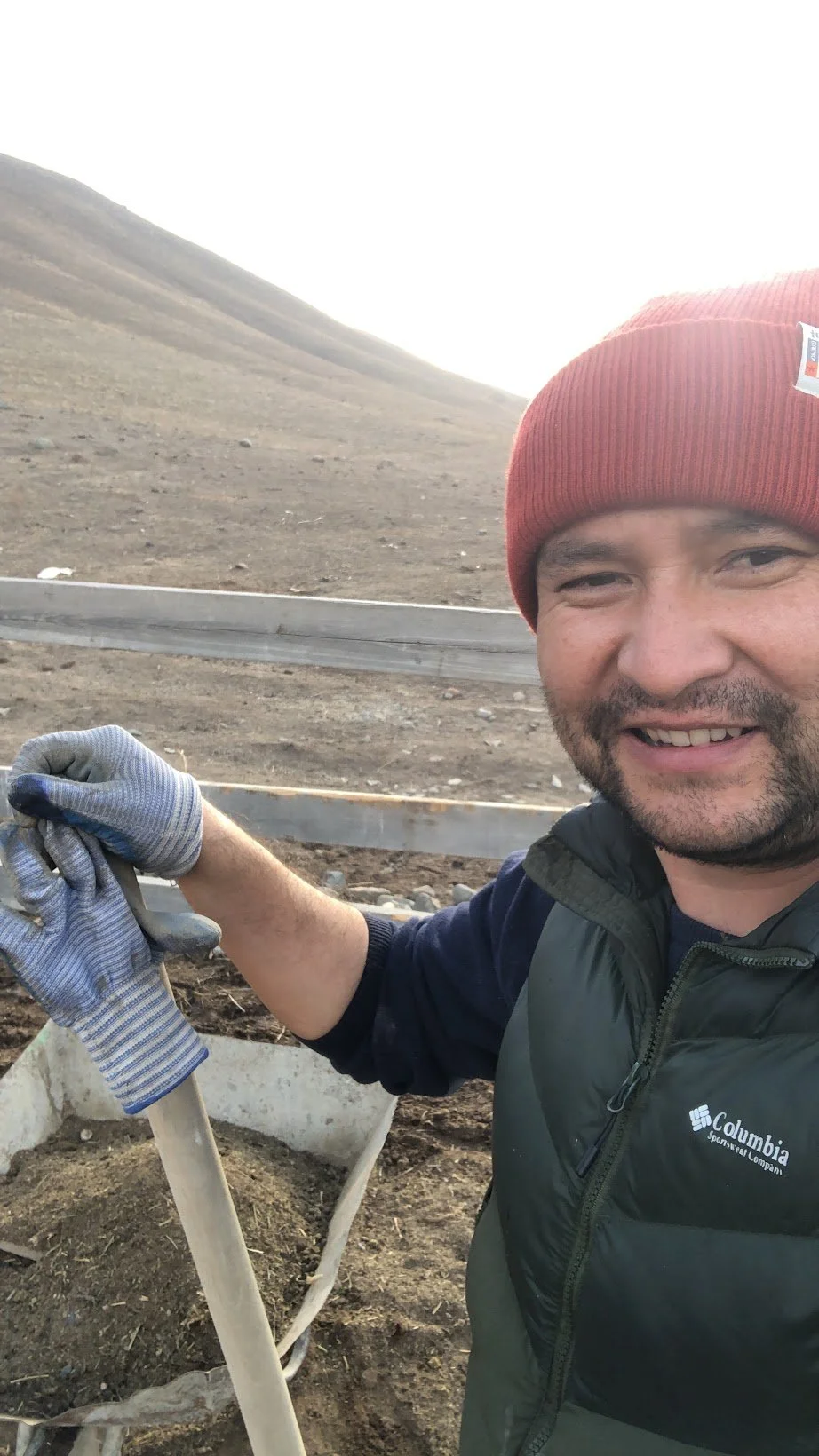
Ordinary day at the farm
2022: People answered
And they did. Our first supporters helped us buy feed we could count on, keep our most valuable foals for breeding instead of having to sell them, and pay the horsemen who look after the herd every day. By the end of that year, people from France, Switzerland, Belgium, Germany, Italy, Canada and the United States had joined us.
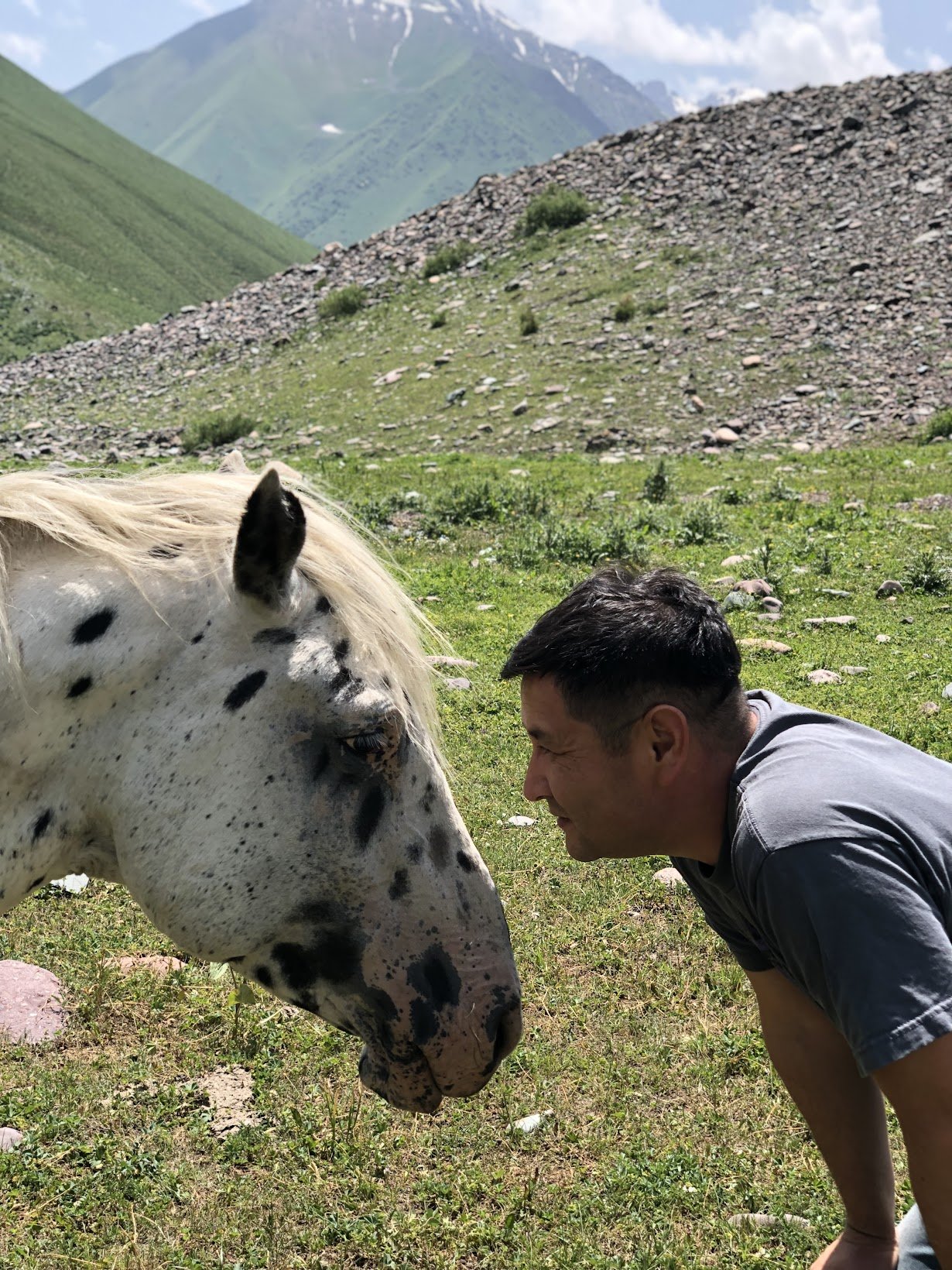
Chaar Suluu and Munarbek
2023: Giving it a name
Nicolas Poirier was the one who told me we needed a proper structure, so in 2023 we founded the International Chaar Appaloosa Association. For the first time, everyone who cared about this horse, wherever they lived, had one place to come together.
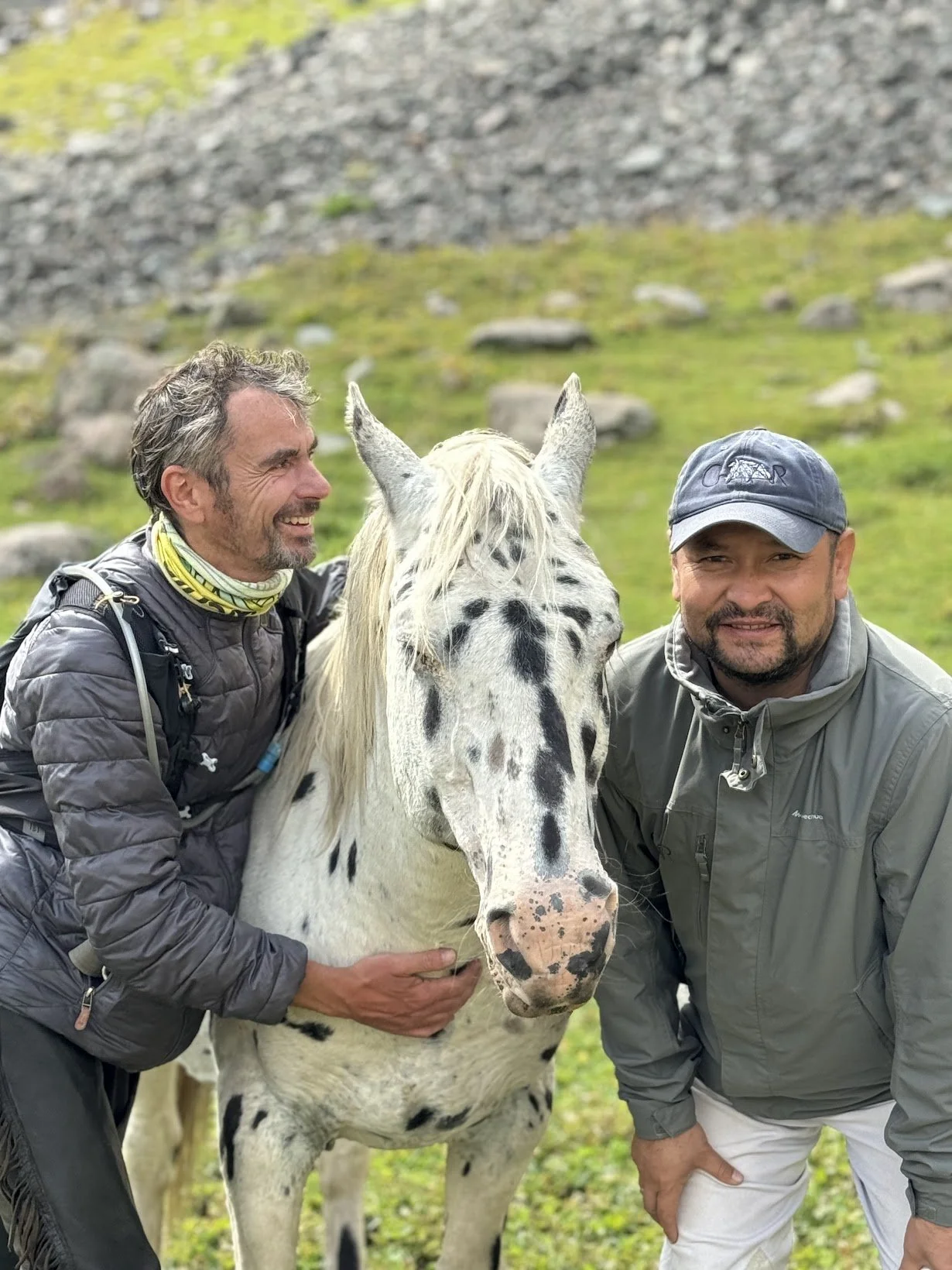
Nicolas, ChaarSuluu and Munarbek
2024: Building the foundations
2024 was a year of quieter, practical work. We finished setting up the association, built our website, got our official registrations in France and launched the Chaar brand with an online shop. We also finally found a way to protect the herd from predators, something we'd been fighting for over a decade.
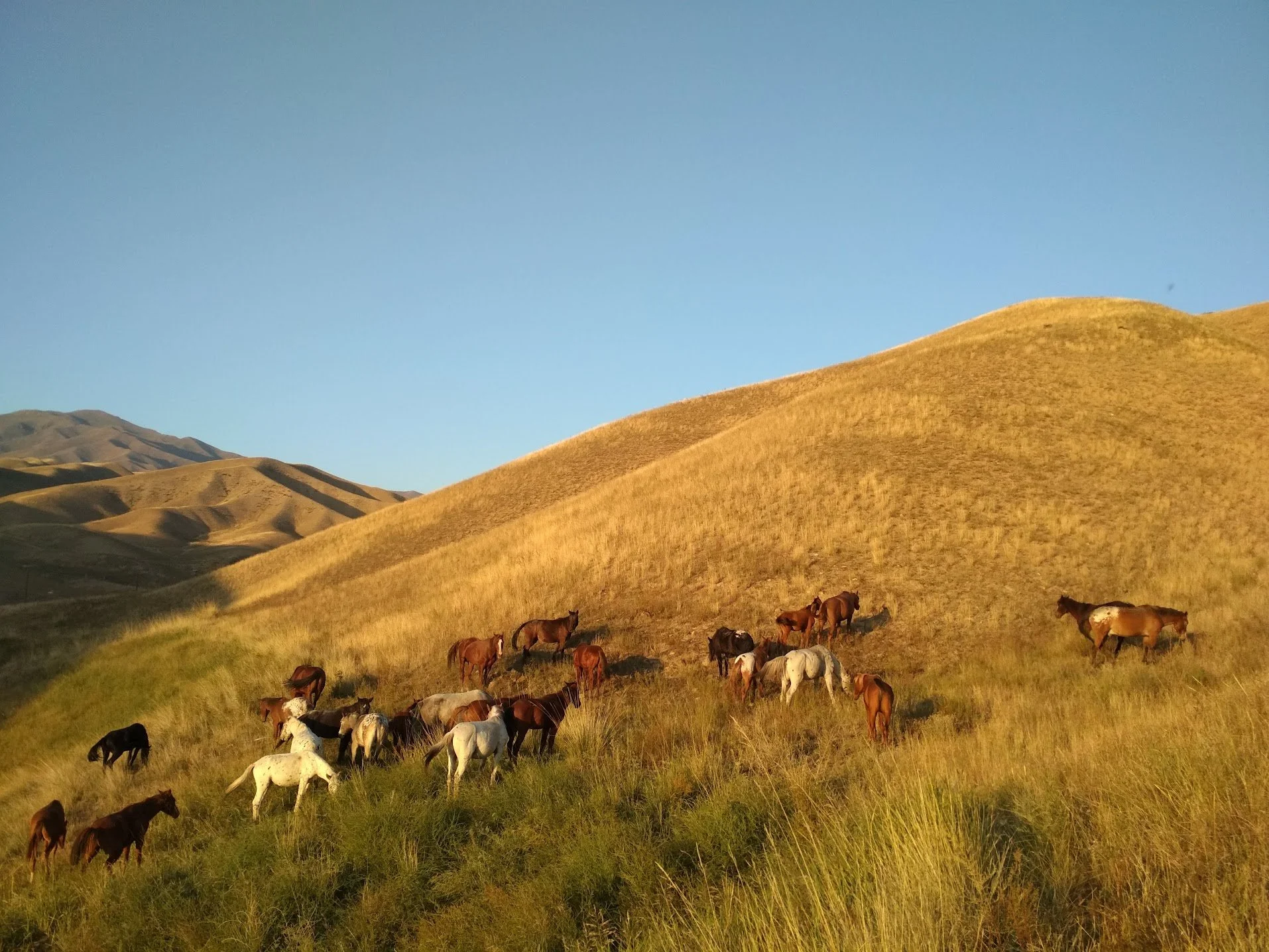
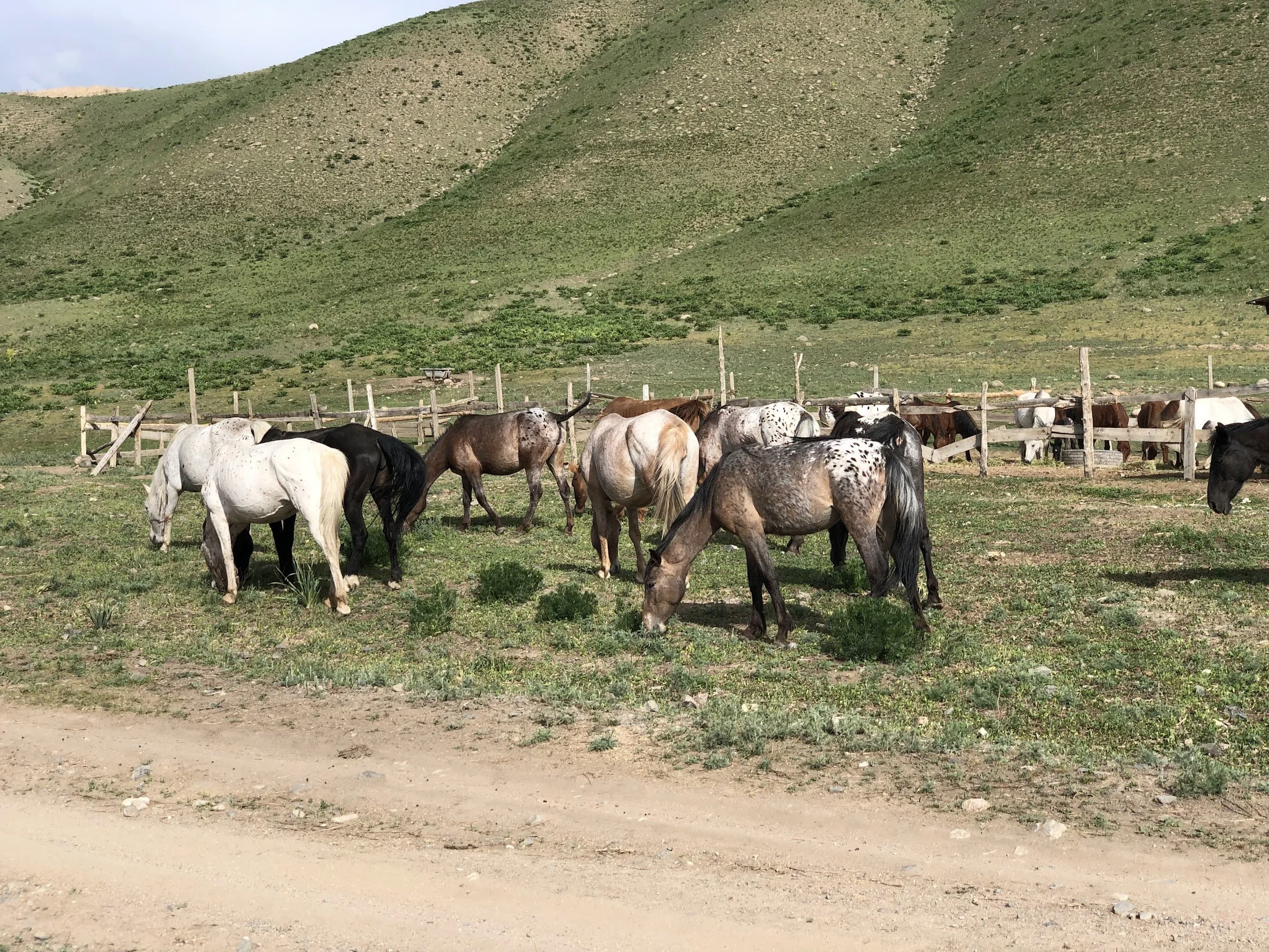
one of the grazing herds near to the farm of our chaar horse revival program
2025: Sixty horses and not enough room
As I write this, the herd is 60 horses, and we're expecting 20 foals this spring. That's wonderful news, and it also means we've run out of space. So we've bought 0.8 hectares of land where we'll build new facilities and an eco-lodge, a place to welcome visitors and help grow eco-tourism here in a way that's good for the land and for the people who live on it.

Chaar foal
Where we're going
We want to reach 500 horses and see the Chaar officially recognised as a breed. We also want to bring these horses into sport, especially endurance and horseball, and to teach young people here how to work with horses kindly while creating real jobs for them along the way.
Biodiversity and culture are both at stake in this valley, and I've come to believe that every action we take at the local level has a global impact. In 2012 it was six horses and a film crew. Now there are 60 of them, and a lot of you.
With all the best, Munarbek
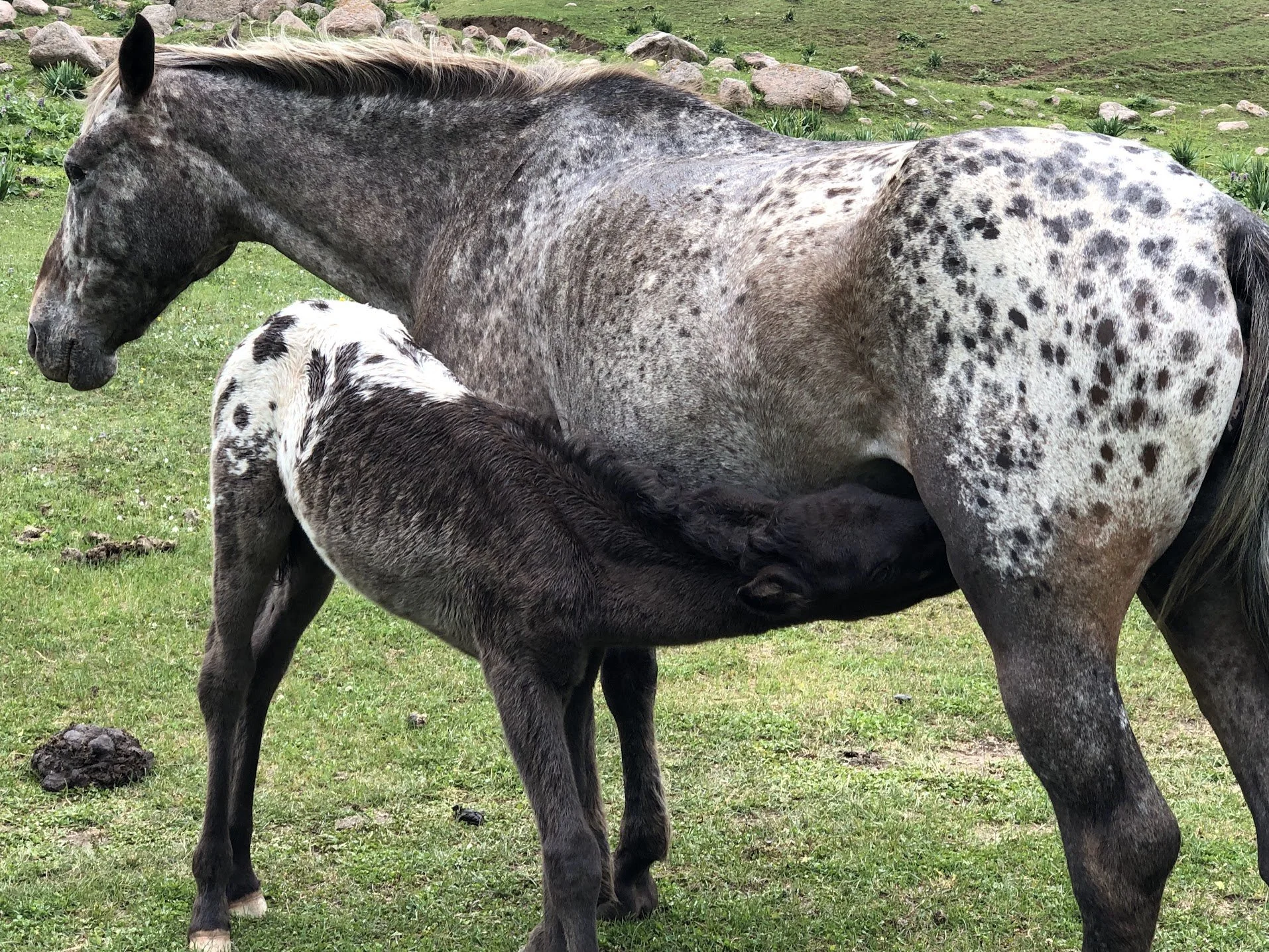
Chaar foal with his chaar mother
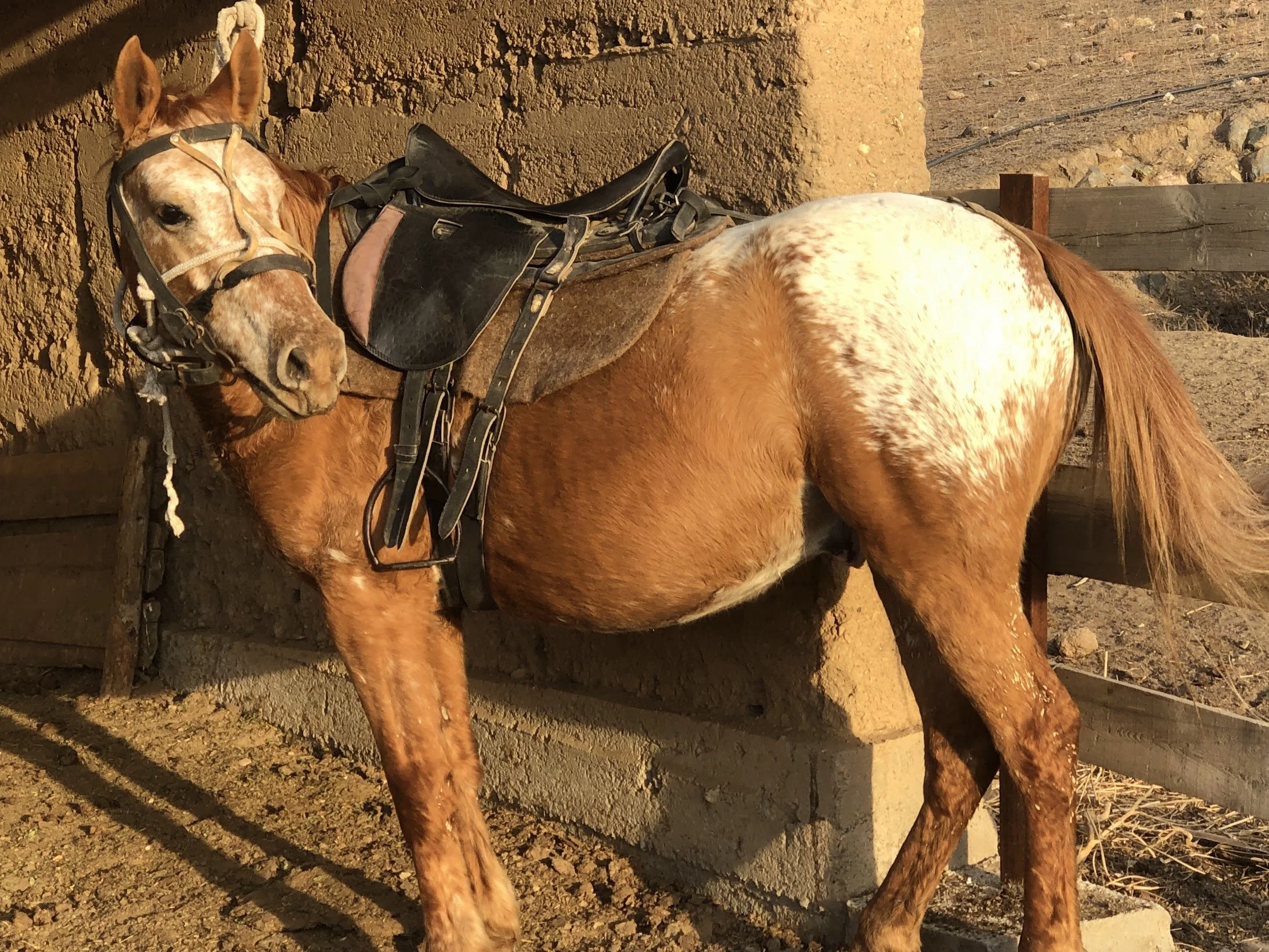
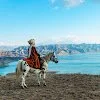
The Chaar horse is one of the best horses to ride on rough terrain.
Early spring 2024