the ranch
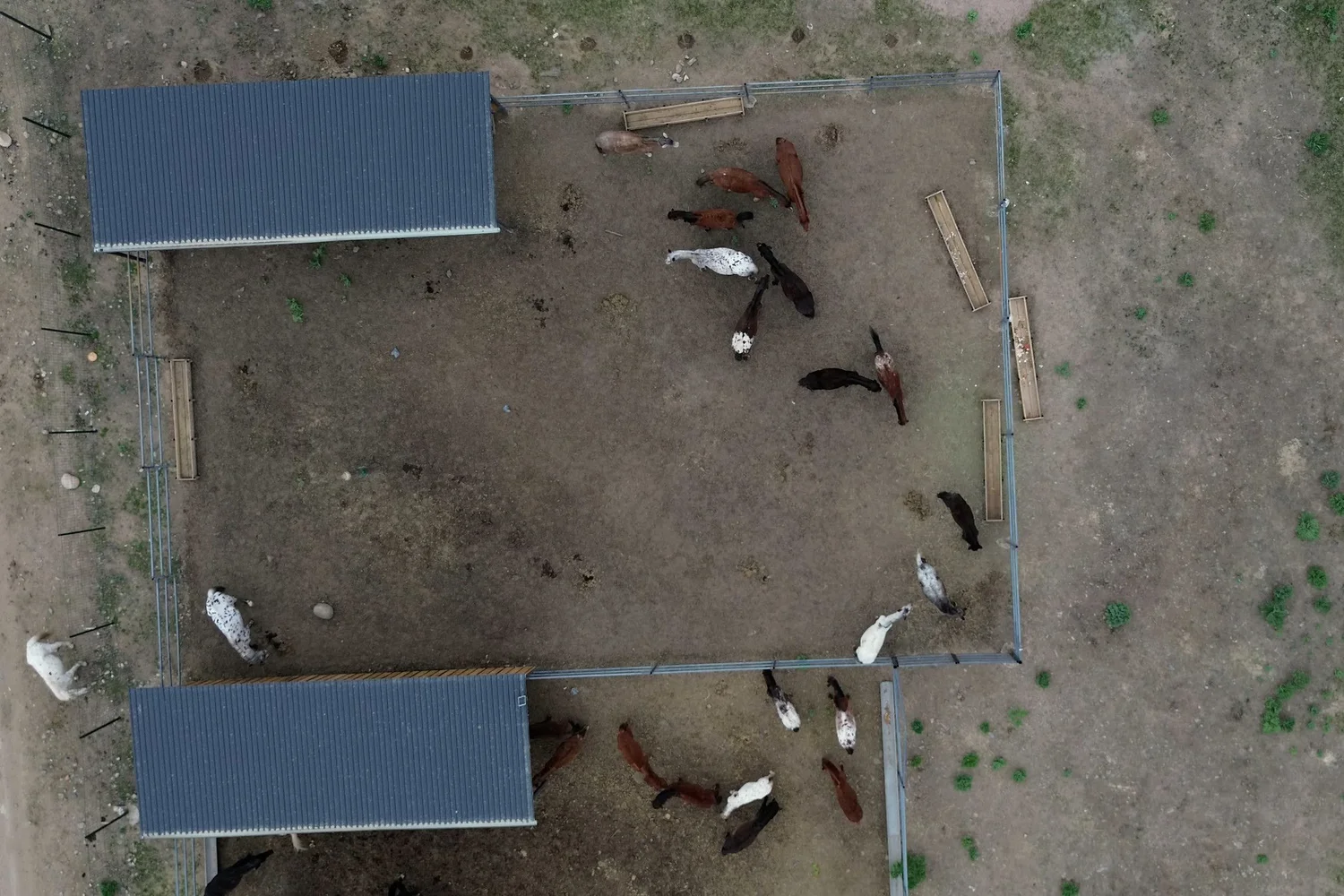
Chaar Ranch, home of the herd
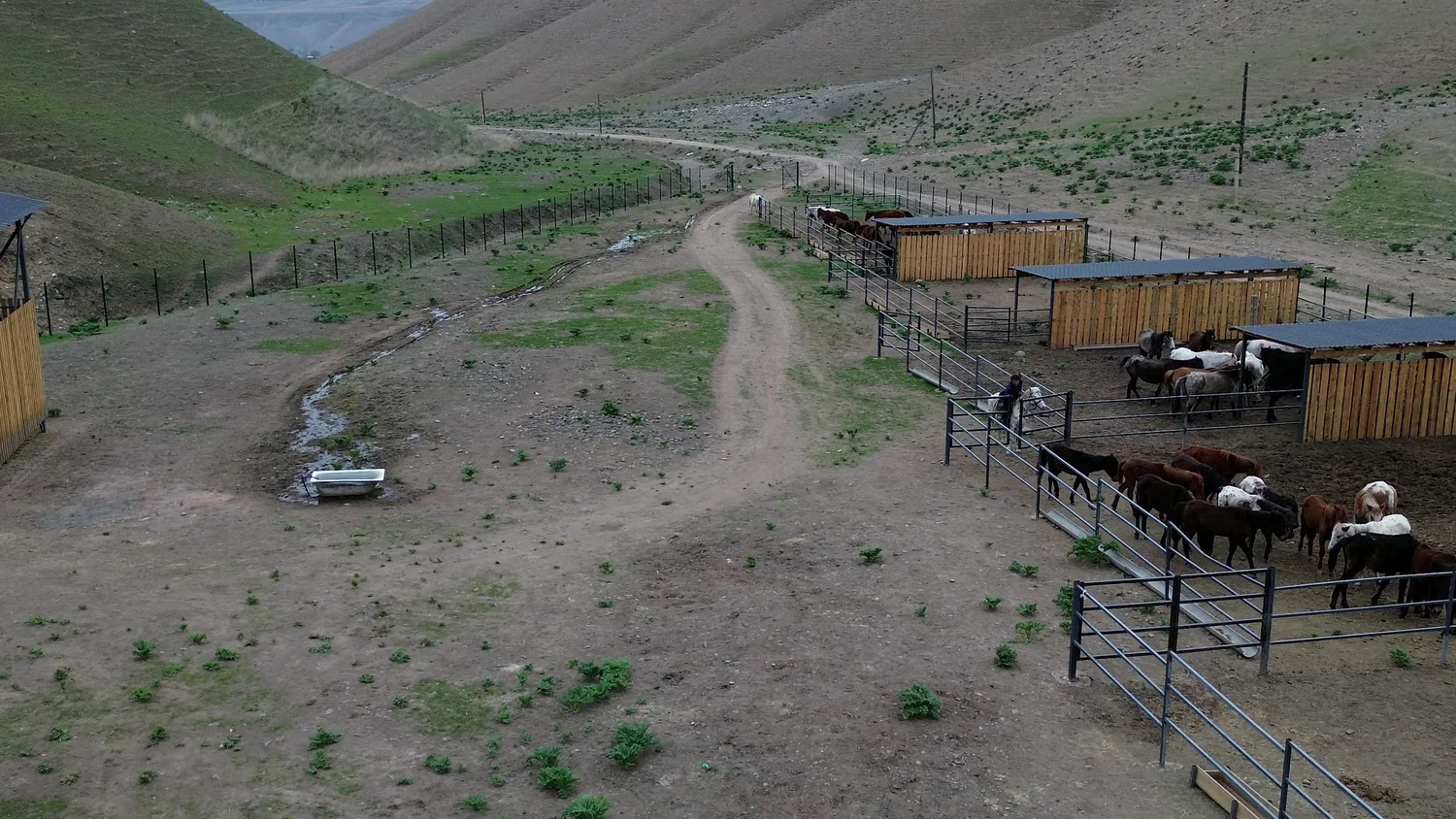
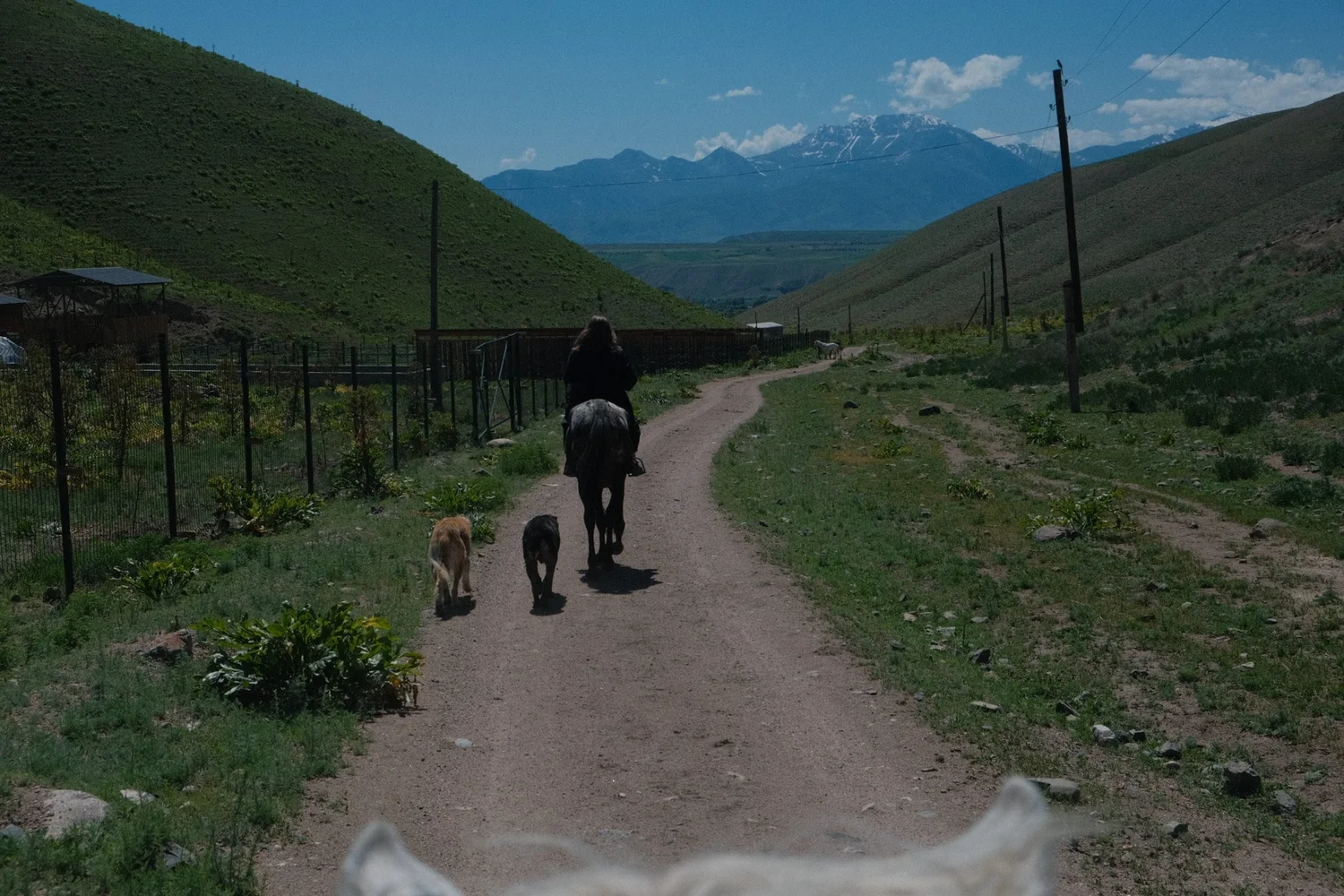
Chaar Ranch sits in the Ketmen-Tobo Valley near Toktogul and the Chychkan Gorge, with the Celestial Mountains all around it.
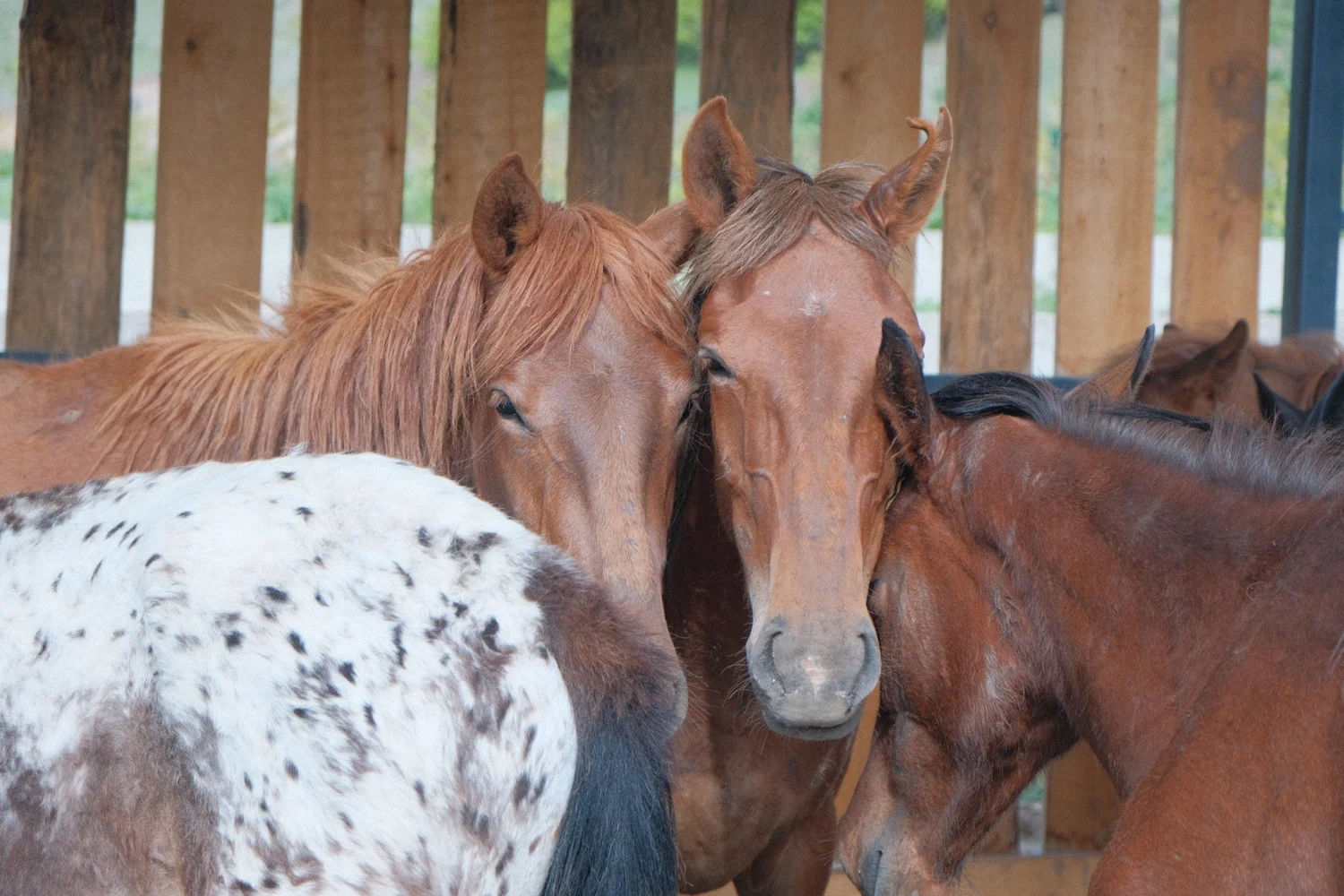
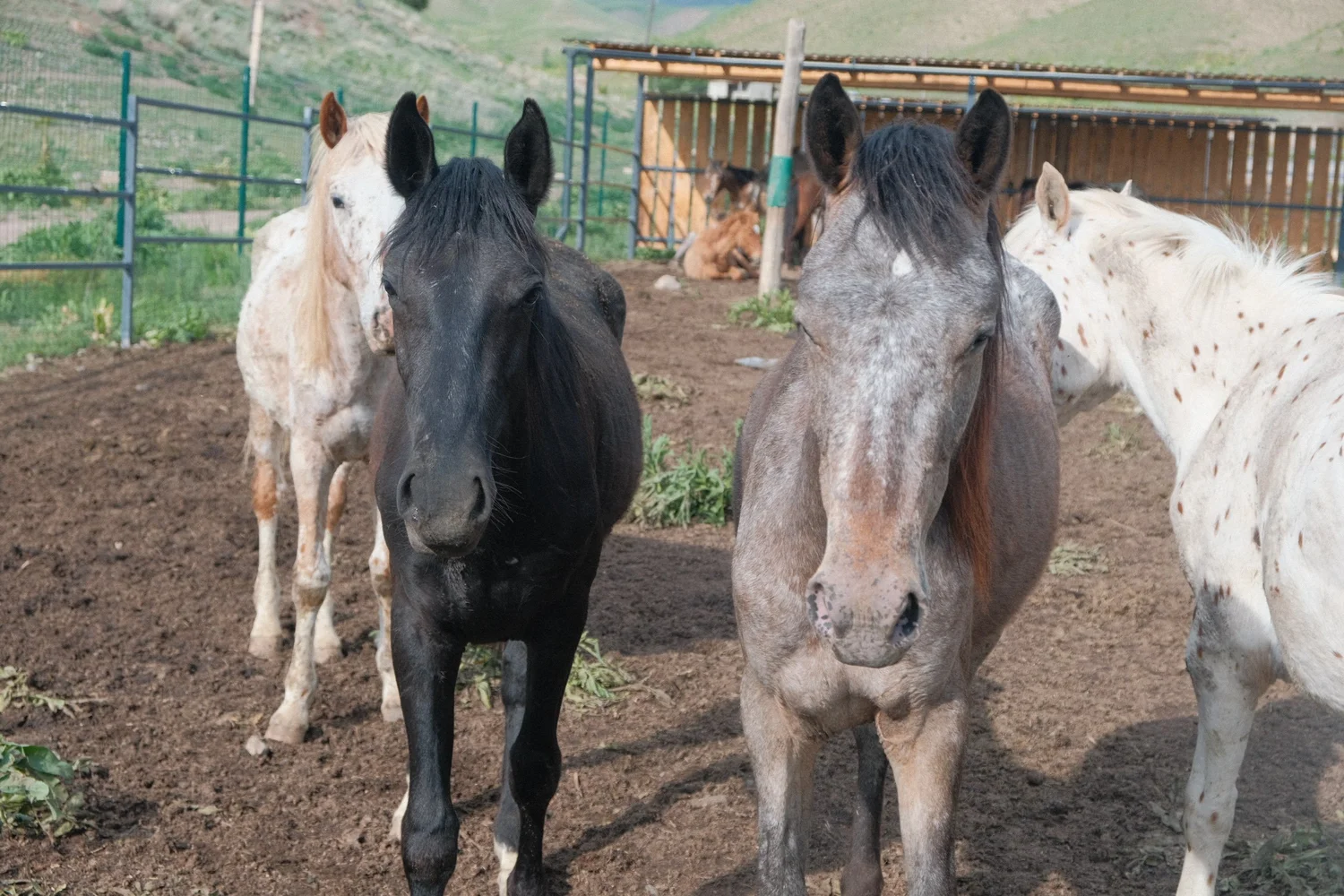
It's where the Chaar horses actually live, and the working base for our breeding programme in Kyrgyzstan. Here's the ranch and the herd this year.
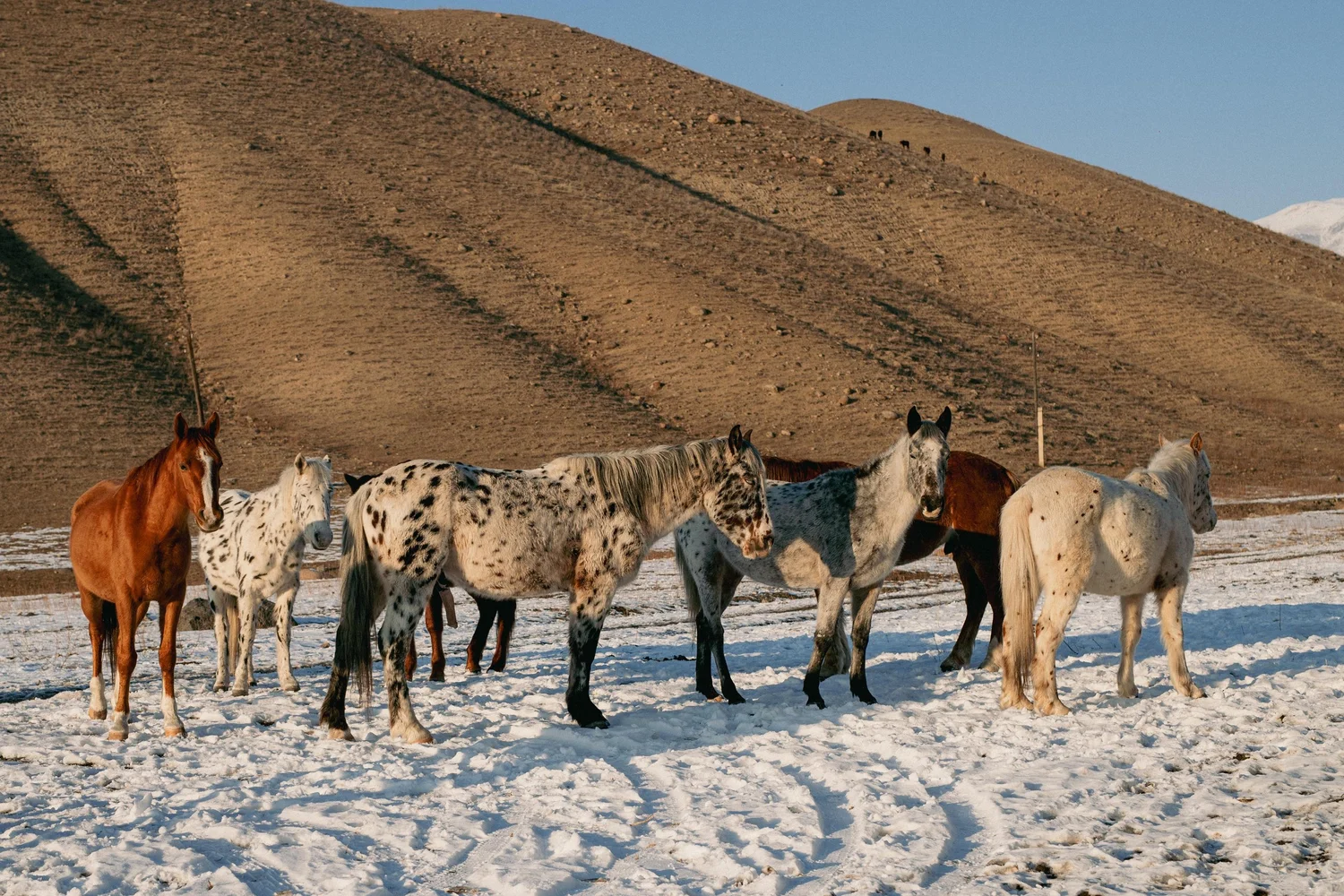
Chaar Ranch and the herd, 2026
the first phase
Built around the horses
We bought the land with help from the sale of Alice Shirley's artwork, and the first phase was finished in 2025. On the old farm, feeding the herd on a winter night took six hours, from six in the evening until midnight. At the new ranch it takes one or two. Read the story.
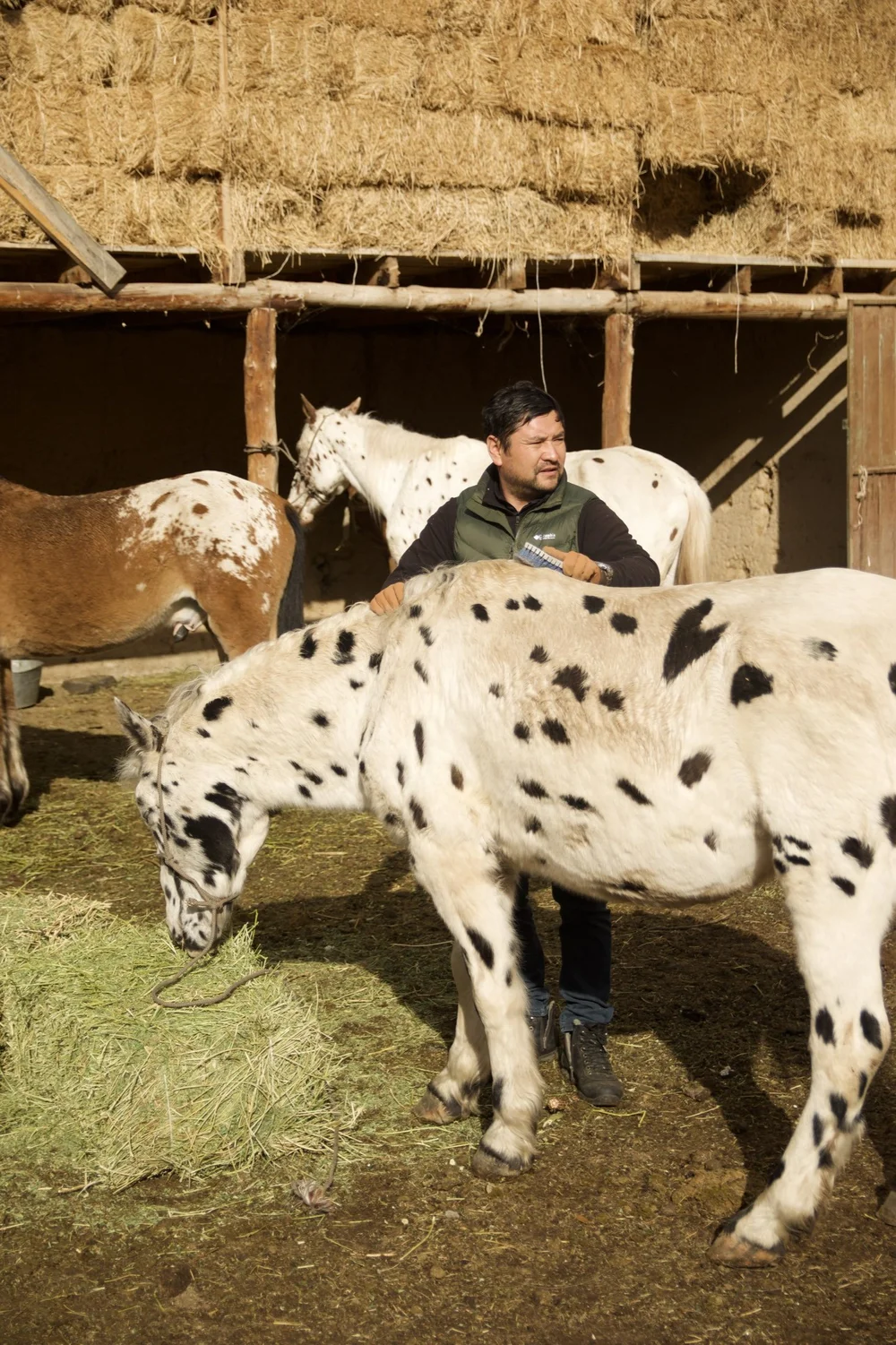
Everything was planned around how the horses live. There are paddocks and shelters for winter, places to feed and handle the horses, and storage for hay and grain. Young horses have space to be watched, worked with and slowly prepared for life in the mountains, and horses that are sick or recovering are cared for here before they go back to the herd.
why the ranch matters
Protecting what has been built
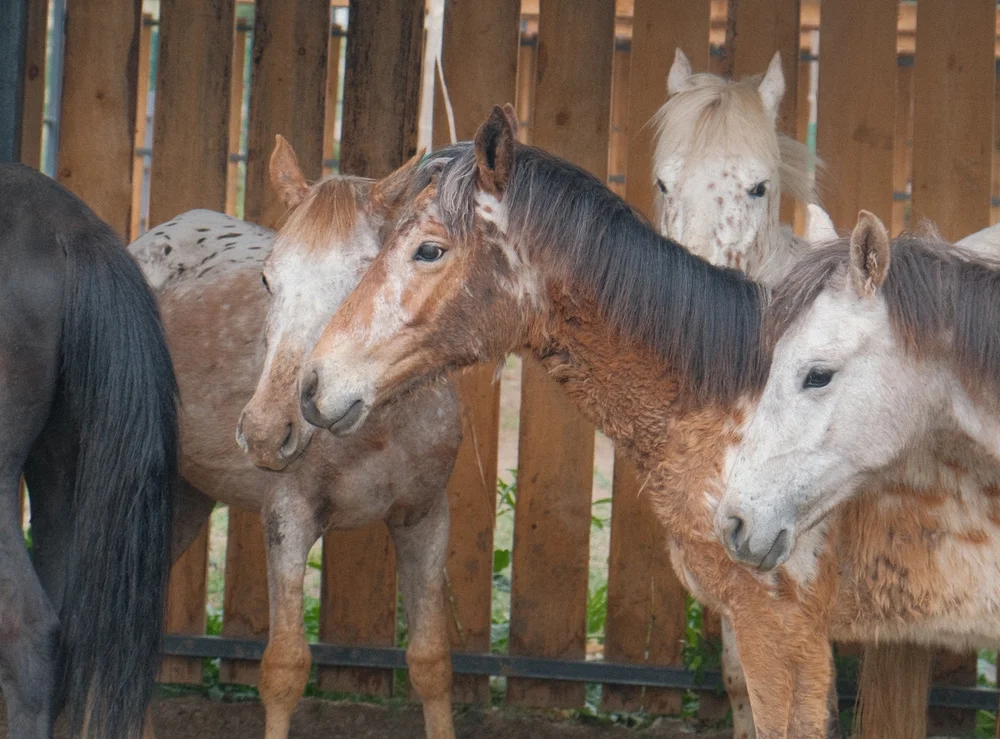
Before the breeding programme began, the herd kept losing ground. Horses were taken by predators, foals didn't make it through the winter because there wasn't enough to eat, and mares lost their pregnancies for the same reason. The programme has changed that: more foals are born, and more of them survive. The ranch and the winter feed are what keep that progress from being undone.
Wolves have always hunted in these mountains, and now snow leopards do too. Keeping the herd safe takes the knowledge of local horsemen like Yrys, who know the ground and read the signs of a predator before it strikes. From November to May they are with the horses every day; in summer, on the high pastures, they ride up once or twice a week. A large part of what supporters give goes to their work and to the feed that carries the mares and foals through the winter.
the year at the ranch
The herd follows the mountain seasons
Where the horses are depends on the time of year. They winter at the ranch and spend the summer high in the mountains.
at the ranch
Winter
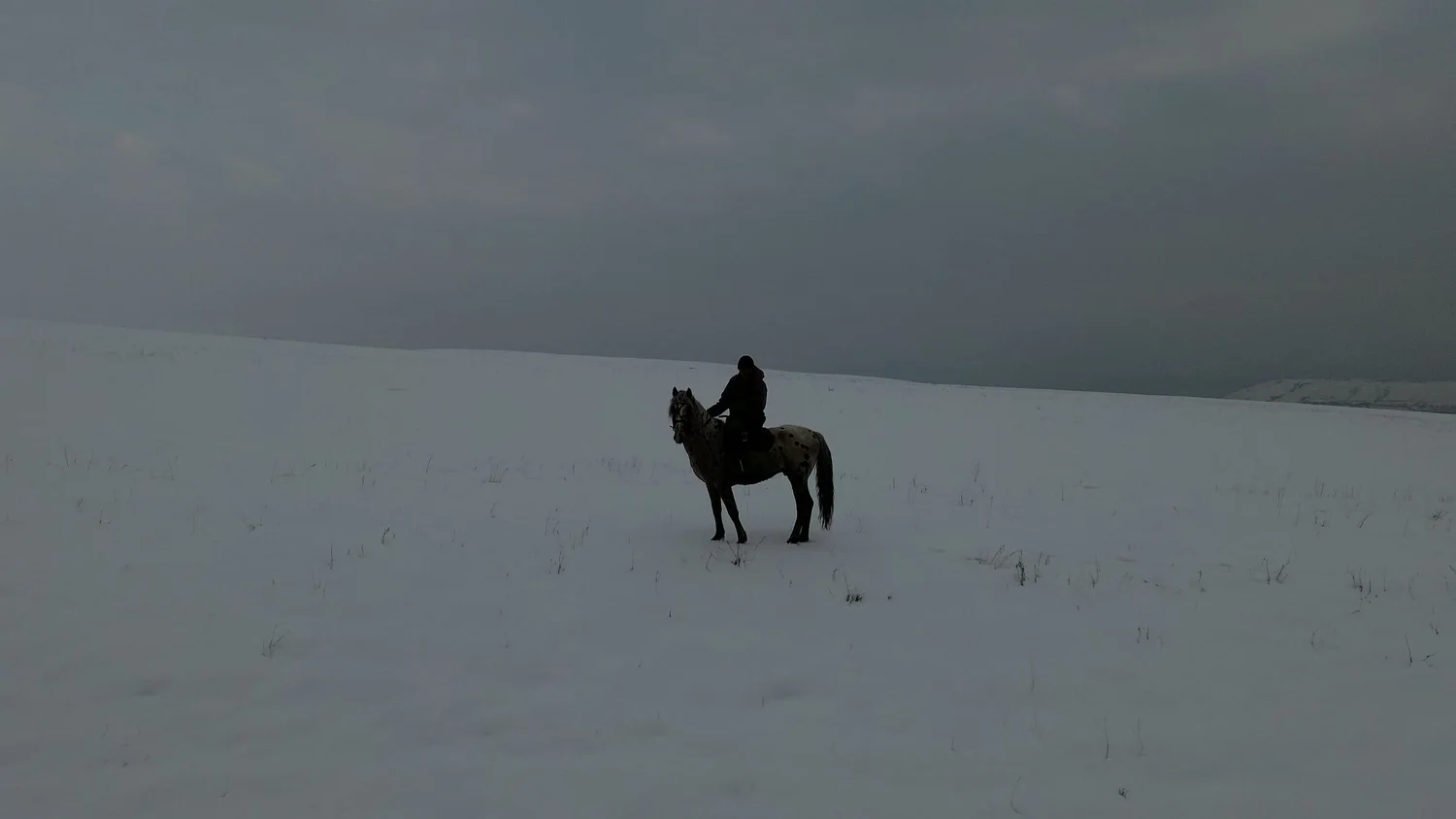
When snow closes the high pastures, the herds come down. They stay under regular watch and get extra feed through the cold months.
It's also the time for one-to-one work. Young stallions start learning their future roles, young horses get used to handling and to being ridden on mountain ground, and any horse that needs treatment gets close attention. Read about one visitor's winter here.
in the valley
Spring
As the weather turns, the horses head back towards the pastures. The switch from hay to fresh grass is slow on purpose, so their stomachs can adjust.
April and May bring the foals. Most mares give birth out on the pasture with the herd around them, and the horsemen check each group every day. Sarah Gottshall spent a spring in Toktogul watching it happen.
up to 3,800 m
Summer
By early summer the valley is too hot, so the herds move up through the Chychkan Gorge. Some groups spend the season as high as 3,800 metres.
Up there the pastures are huge, quiet and full of grazing. The horsemen ride up once or twice a week to check on the horses, the foals and the grass. It's where our summer expedition goes to find them.


staying at the ranch
The horses set the pace
There's no fixed timetable. Depending on the season, you might find the horses around the ranch, ride out with the horsemen into the valley, or go up into the mountains to find the herds.
Mornings start with the work: feeding, checking the horses, watching the foals. After that there's time to ride, walk or explore.
If you're curious about the work itself, you can spend time with the horsemen and learn how the herd runs: how mares behave with their foals, how young horses find their place with the older ones, how stallions settle their rank.
Experienced riders get long routes, steep valleys and high pastures, nothing like an arena or a marked trail. If riding isn't your thing, there's plenty of room to walk, take photos, watch the horses and slow down.
You can come on the Chaar Expedition, the Spirit of Kyrgyzstan journey, or stay longer as a volunteer.
what comes next
Growing with the herd
The ranch will grow as the herd does. What's there now is the base for a bigger breeding and conservation programme, and over time we'll add more space for winter care, vet work, young horses and breeding groups.
We're also planning an international art residence. Artists, photographers, filmmakers and musicians will be able to stay at the ranch, follow the horses into the mountains and make work from what they see. If that's you, become an artist partner.
Every stage of this is paid for by supporters.