Horse riding in Kyrgyzstan: riding the Celestial Mountains with Chaar horses
In Kyrgyzstan, horses are still essential to daily life in the mountains. Across the Tien Shan, herders rely on them to move livestock between valleys and high summer pastures, the same way they have for centuries. That's not staged for visitors. It's just how the mountains get worked here, long before anyone called it tourism.
For a visitor, riding into that world changes what the mountains are. Off the road entirely, you go through open valleys, over passes, into pastures a vehicle will never reach. Places that don't show up unless you arrive on horseback.
At Chaar Ranch, in Kyrgyzstan's Toktogul region, that experience starts with a specific horse. The Chaar was disappearing until a breeding and conservation programme began there in 2012. Today the herd numbers more than 80, thanks largely to Munarbek and the team who have spent years bringing it back.
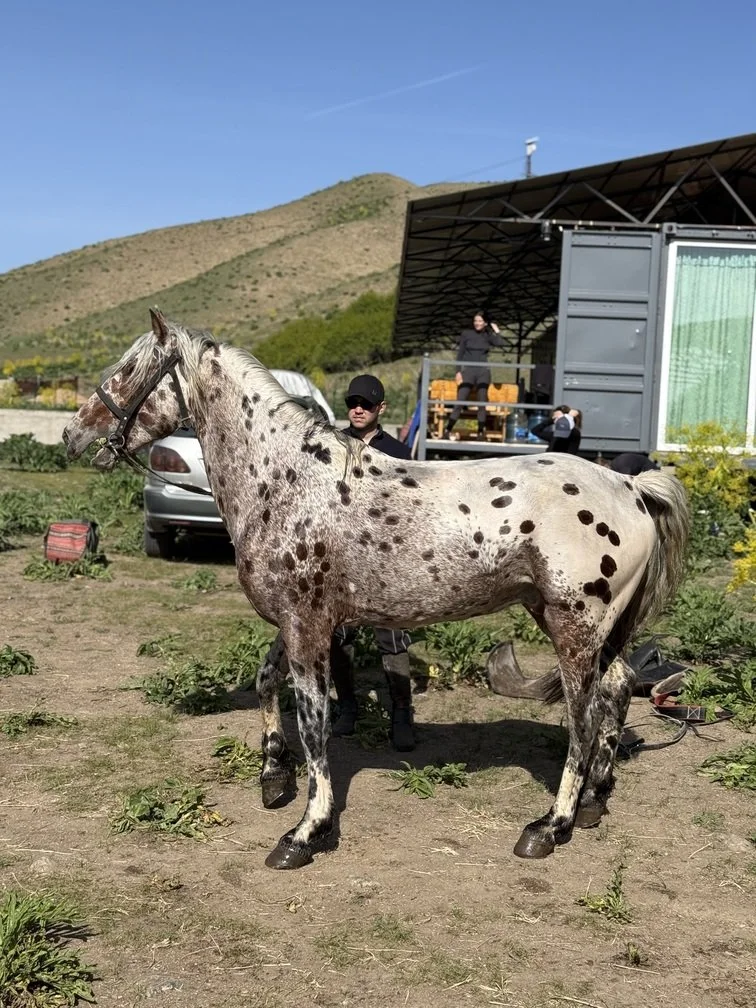
A horse built for this ground
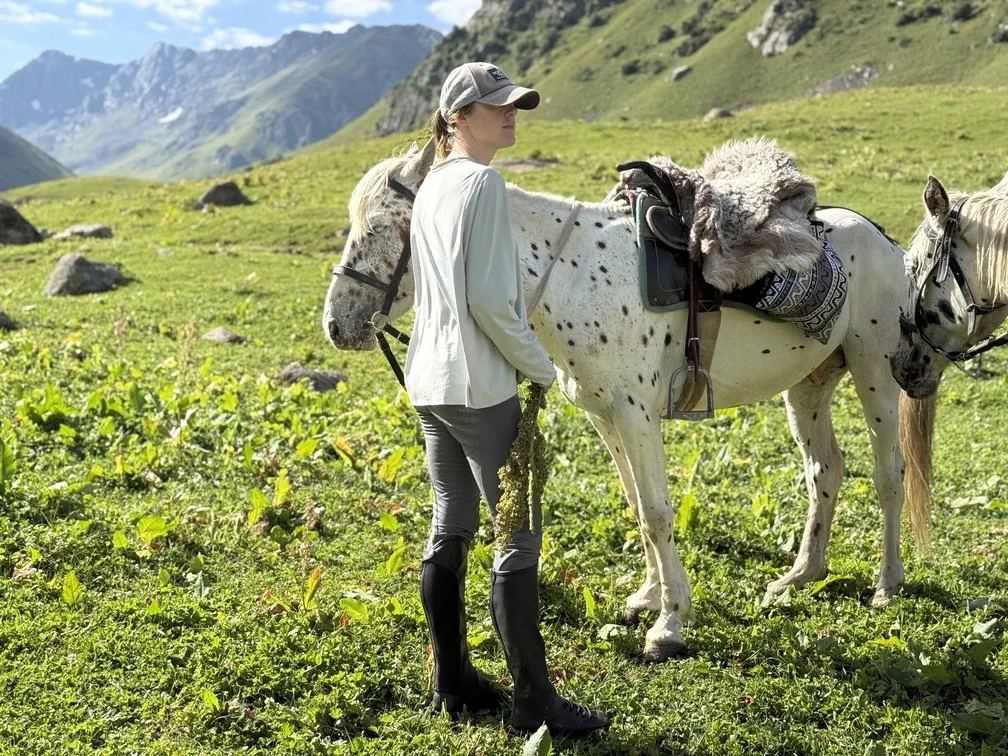
Chaar horses are raised in these mountains, and it shows in how they move. Sure-footed over loose scree. Unbothered by a pass that keeps climbing past where a normal trail ride would turn back. Built, generation over generation, for changing terrain, long distances, and thin, high-altitude air.
Riding one isn't a performance staged for guests. These horses are part of daily life at Chaar Ranch year-round: bred, trained, cared for, and ridden long before and after any visitor arrives.
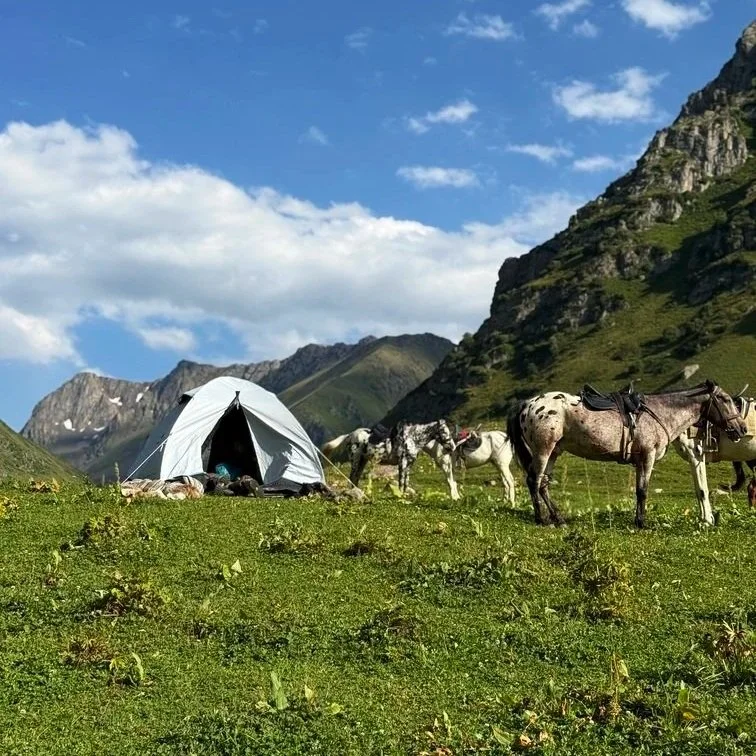
Days in the saddle, nights in the high pastures
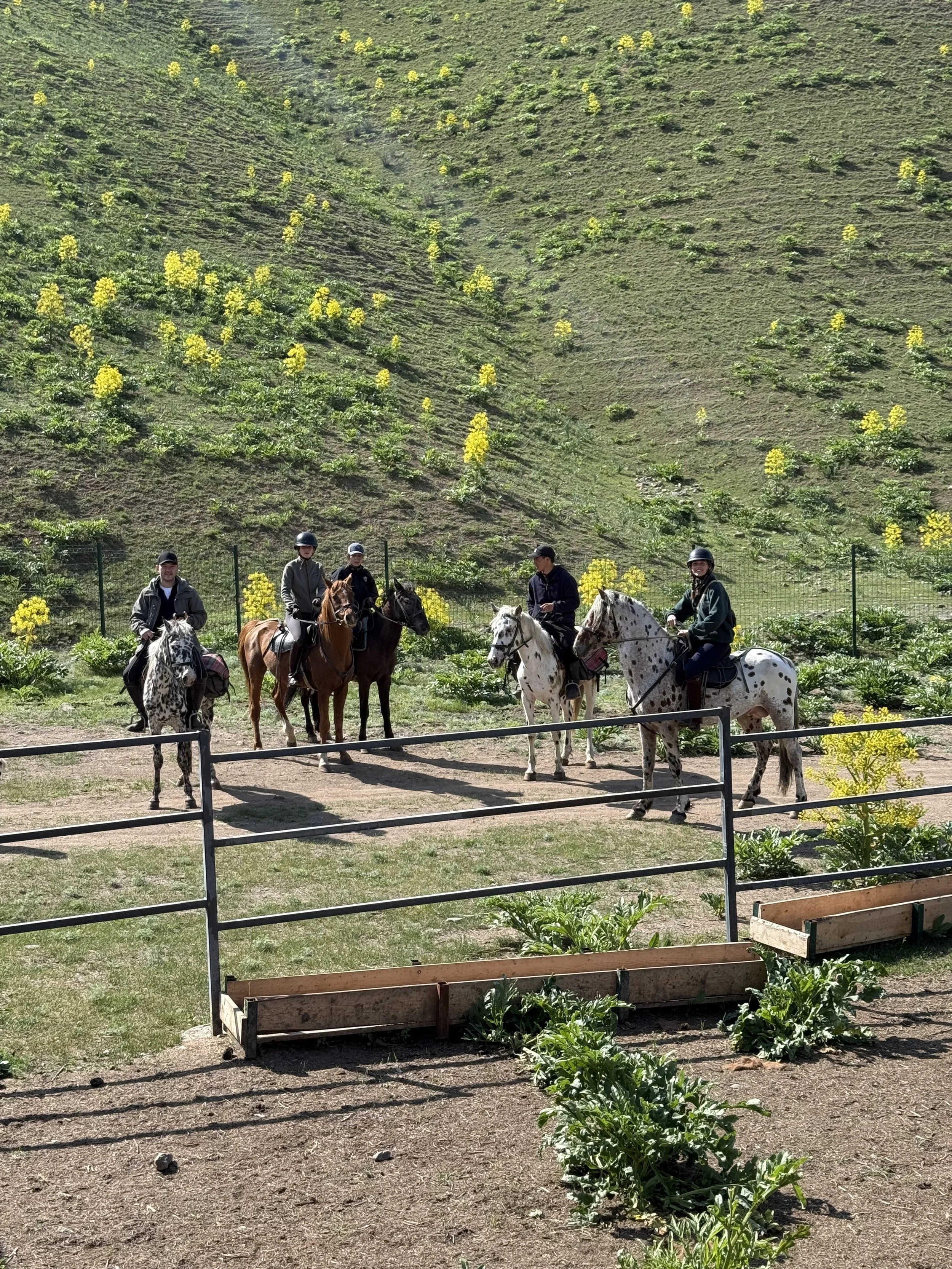
A multi-day trek here has little in common with an hour's ride down a marked trail. Some days mean six or seven hours in the saddle. Steep passes. Weather that turns without much warning above the treeline. Nights are spent camped in high mountain pastures, hours from the nearest town or road, with nothing between the tent and the ridgeline but grazing horses and dark.
Chaar's expeditions follow real routes through the Toktogul and Suusamyr regions, over passes like Too-Ashuu at 3,200 metres, climbing higher than that more than once along the way. It's riding, but it's also mountain travel in the older sense: the kind that runs on the horse's stamina and the weather's mood, not a schedule.
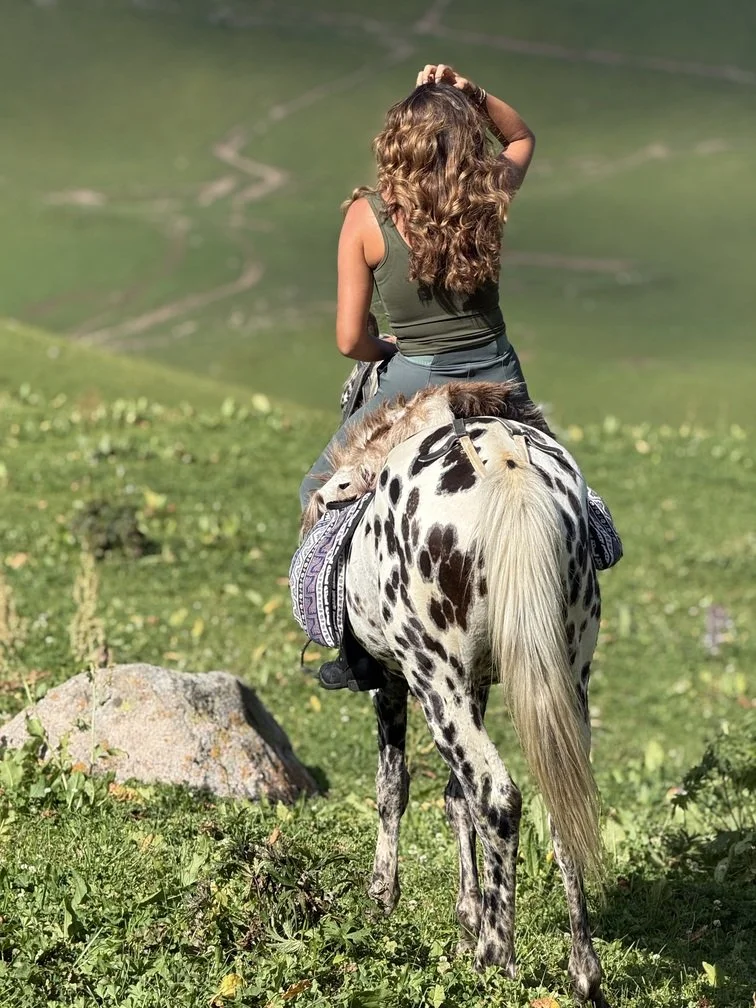
What you actually leave with
Riding with Chaar isn't the same as hiring a horse for an afternoon. It’s time with a rare breed that exists today because of a breeding programme begun in 2012, and with the people, land and traditions still built around it.
By the time camp goes up each evening, the horses are already loose in the pasture, grazing the way Chaar horses have grazed in these mountains for generations, trek or no trek. That's the part that stays with you longest: not the distance covered, but the ordinary, continuing life of the herd you rode in with.